
7 Brake Warning Signs You Should Never Ignore
The seven brake warning signs are squealing, grinding, pulling to one side, a soft pedal, vibration when you brake, a brake warning light and longer stopping distances. Any one of them is a reason to have your brakes inspected. Grinding, a red brake light or a sinking pedal are reasons to stop driving today.
Here’s what each sign usually means, from the team that carries out brake repairs in Epping.
The seven signs and what each one means
1. Squealing or squeaking
Most brake pads have a small metal tab called a wear indicator. When the pad is nearly worn out, the tab touches the rotor and squeals. It’s built to annoy you into booking a brake check. A light squeal on the first stop of a damp morning is different: that’s surface rust on the rotors and it clears after a few stops.
2. Grinding
Grinding means the pad material has gone and metal is scraping on the rotor. Every stop now damages the rotor, and your stopping distance is longer than you think. Don’t drive on it. Ring us on (03) 9424 2932.
3. Pulling to one side
If the car drifts left or right under braking, one side is doing more work than the other. A sticking caliper, uneven pad wear or a damaged brake hose are the usual causes. Check your tyre pressures first, since a soft tyre can feel the same.
4. A soft, spongy or sinking pedal
The brake pedal should feel firm and bite in the same place every time. A spongy pedal points to air or moisture in the brake fluid. A pedal that slowly sinks under your foot points to a leak or a failing master cylinder. Both need a workshop, and a sinking pedal needs one now.
5. Vibration or pulsing
A shudder through the pedal or the steering wheel when you brake usually comes from rotors that have worn unevenly. You’ll notice it most slowing from freeway speed. One exception: a rapid pulse through the pedal during an emergency stop is the ABS doing its job.
6. A brake warning light
A red brake light means the handbrake is on, the fluid level is low or there’s a fault in the hydraulic system. If the handbrake is off and the light stays on, stop and have it checked. An amber ABS light means the anti-lock system has a fault. Your normal brakes still work, but the ABS won’t step in if you brake hard.
Low fluid is rarely the whole story. The level drops as pads wear, or because there's a leak. Topping it up hides the cause.
7. Longer stopping distances
This one creeps up on you. If you find yourself braking earlier for the lights on High Street than you did a year ago, or the pedal travels further before the car slows, something has changed. Worn pads, glazed rotors and old fluid all do it.
Pads, rotors and fluid: what wears and when
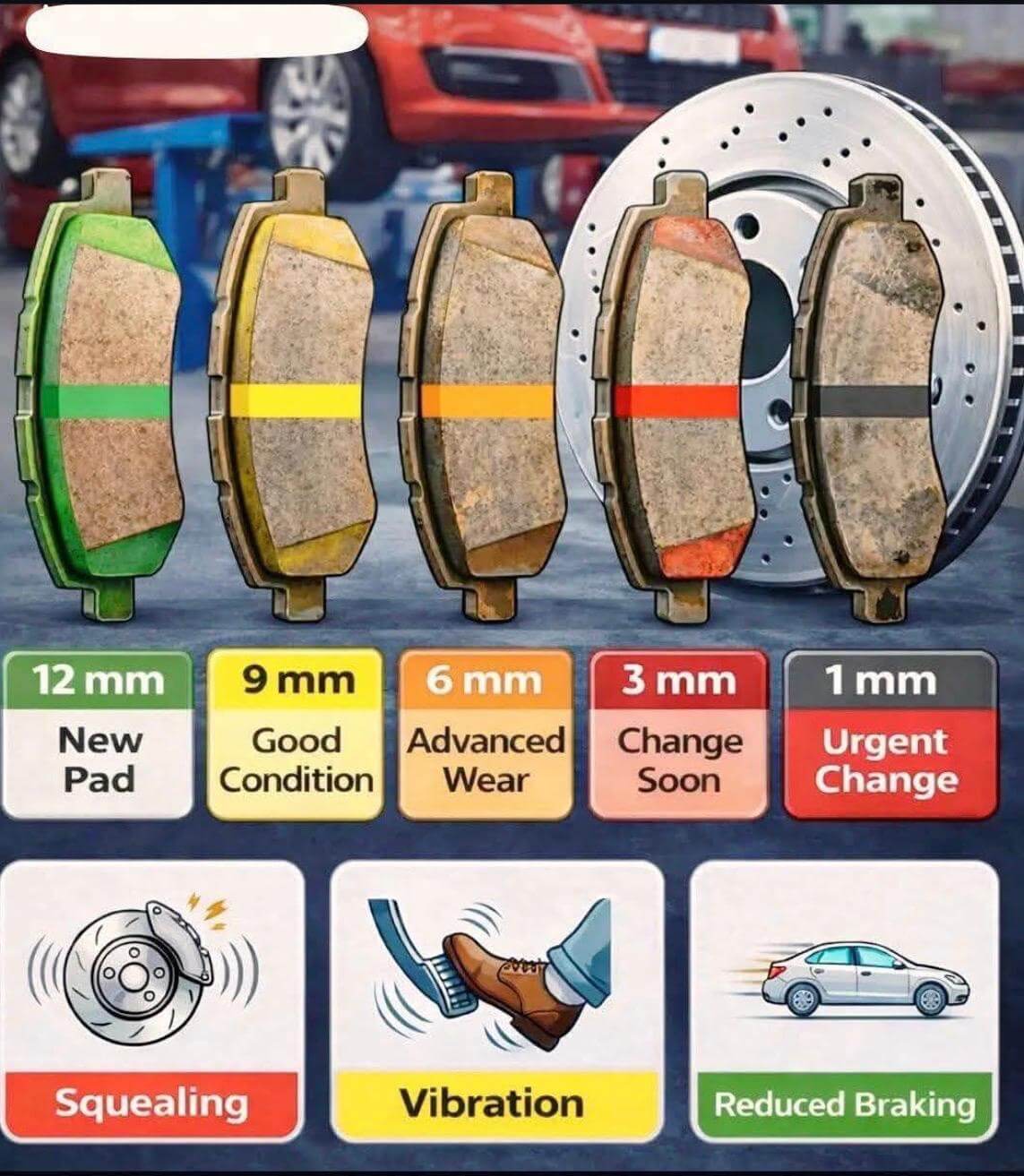
Brake pads wear a little with every stop. How long they last depends on how and where you drive. Stop-start traffic around Cooper Street and Pacific Epping is harder on pads than a steady run up the Hume.
Rotors wear more slowly. Each one has a minimum thickness set by the manufacturer, and we measure against it. If your rotors are within specification, they stay on the car.
Brake fluid absorbs moisture over time, which lowers its boiling point and makes the pedal feel soft under hard use. Many manufacturers schedule a fluid change about every two years. Your logbook has the interval for your car, and we test the fluid’s condition during a car service.
When parts are due, we fit pads and rotors suited to your car, including Bendix and other brands supplied through Repco.
Hybrid brakes wear differently
Hybrids use the electric motor to slow the car and recharge the battery, so the brake pads do less work and often last longer. The catch is that brakes which rarely work hard can rust and stick. Rotors pick up surface corrosion and caliper slides seize, most often on cars used for short trips. If you drive a hybrid, have the brakes inspected at each service even when the pads still look thick. We cover this on our hybrid car mechanic page.
What brake repairs cost
It depends on the car and on what has worn. Front pads on a small hatch and a full set of pads and rotors on a large SUV are very different jobs, so we quote each car after we’ve looked at it.
For a detailed inspection the wheels come off, and there may be a charge for that time. We’ll tell you before we start, and no repair goes ahead without your approval. For more on how quotes are put together, read what affects the cost of a car service in Epping.
Brakes and your roadworthy certificate
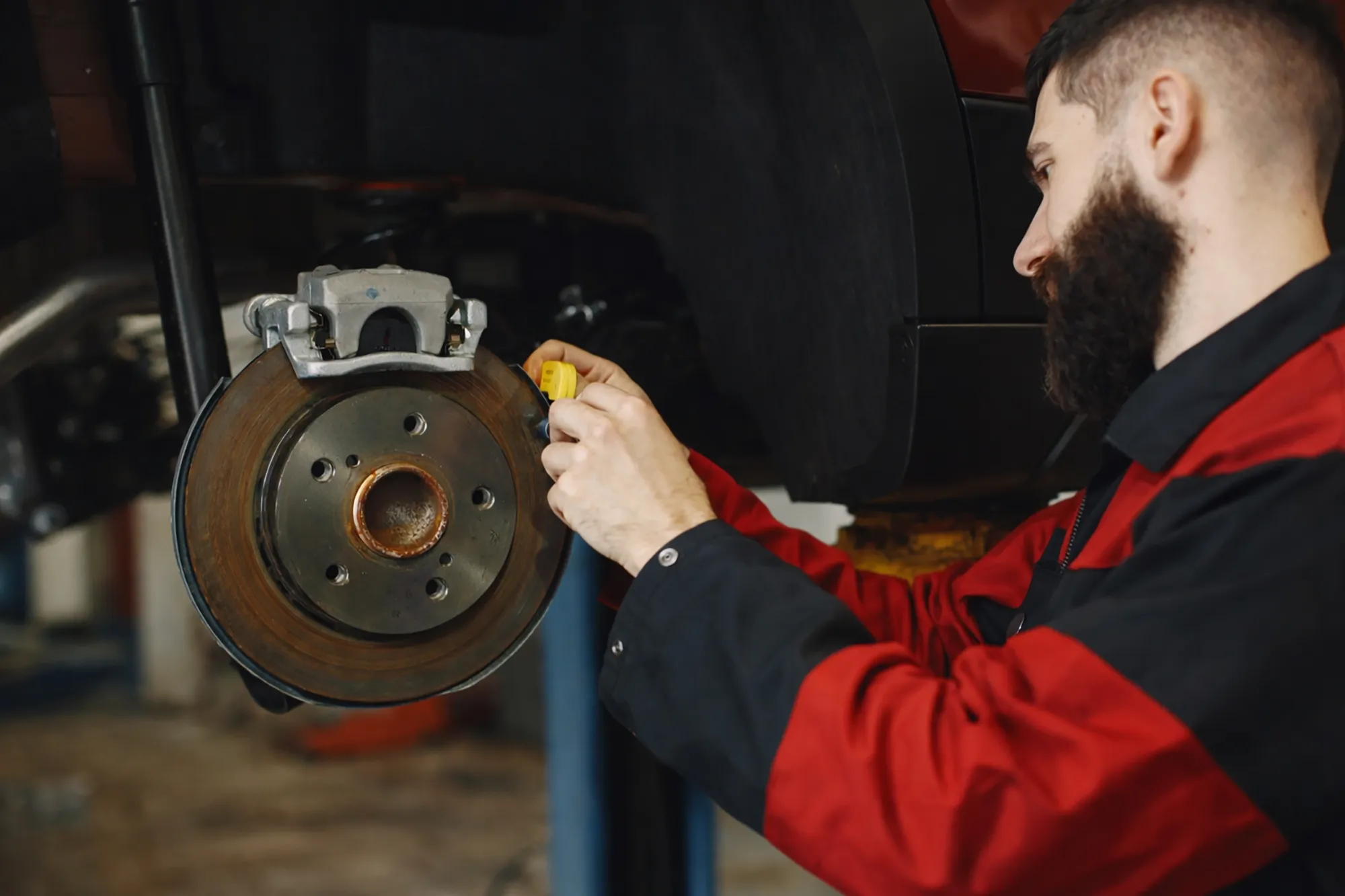
Brakes are inspected as part of a Victorian roadworthy inspection, and a car with worn pads, damaged rotors or a fluid leak won’t pass. Selling or transferring your car soon? Have the brakes checked first and you avoid a failed inspection and a return visit. We’re a licensed roadworthy tester, and our guide to what a roadworthy inspection checks lists the other items.
What to do if the pedal goes to the floor
It’s rare. If it happens, do this in order.
Pump the pedal
Pump the brake pedal hard and fast. This can build enough pressure to slow the car.
Change down
Change down through the gears, one at a time, so the engine slows you.
Use the handbrake gently
Apply the handbrake gradually. With an electronic park brake, pull and hold the switch.
Get off the road
Put your hazard lights on and steer to the side of the road.
Arrange a tow
Once you’ve stopped, leave the car there and arrange a tow. Don’t drive it again until it’s been repaired.
Frequently asked questions
How long do brake pads last?
There’s no single figure. It depends on the car, the pads and your driving. City driving with lots of stops wears pads much faster than freeway driving. We measure your pads at each service and tell you how much is left.
Is it safe to drive with squealing brakes?
For a short time, yes, if the squeal is the wear indicator and the car still stops normally. Book an inspection that week. If the noise turns into grinding, stop driving.
Do rotors have to be replaced with the pads?
No. We measure rotor thickness and check the surface. Rotors within the manufacturer’s specification and in good condition stay on the car.
How often should brake fluid be changed?
Follow your logbook. Many manufacturers set it at about every two years. We can test the fluid if you’re unsure when it was last done.
Why do my brakes squeal first thing in the morning?
Overnight moisture leaves a thin layer of rust on the rotors. The pads wipe it off in the first few stops and the noise goes. If it carries on once the brakes are warm, have them looked at.
Noticed one of these signs?
Book a brake inspection online or call us on (03) 9424 2932. If you're driving away over Christmas, book before mid-December. We're at 4A Buch Ave, Epping.
